Blog · · voca9 Team
Mastering Project Management: A Comprehensive Guide
From building a skyscraper to launching a new app, nearly every significant achievement is the result of a well-executed project. But what separates a successful project from a failed one? The answer often lies in effective project management. This guide will walk you through the essentials of managing projects, from core principles and methodologies to the tools and skills you need to deliver results consistently.
Whether you’re a seasoned project manager or new to the field, understanding these fundamentals is key to navigating the complexities of modern work and achieving your goals.
Introduction: What is Project Management?
At its core, what is project management? It’s the practice of applying specific processes, methods, skills, knowledge, and experience to achieve project objectives within agreed-upon constraints. A project is a temporary endeavor with a defined beginning and end, designed to produce a unique product, service, or result.
Project management is important because it provides a roadmap for teams to follow, ensuring that everyone is aligned, resources are used wisely, and the final output meets expectations. It brings order to chaos and provides a framework for success.
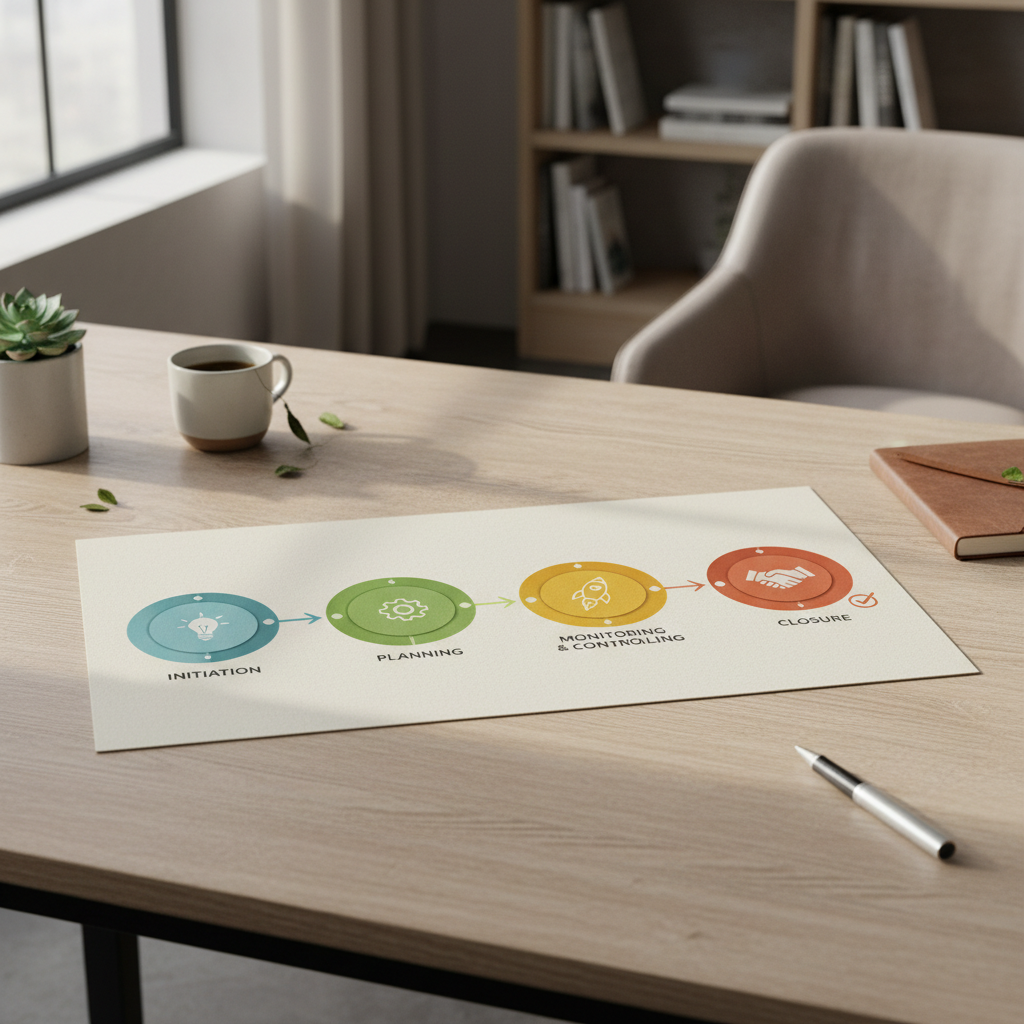
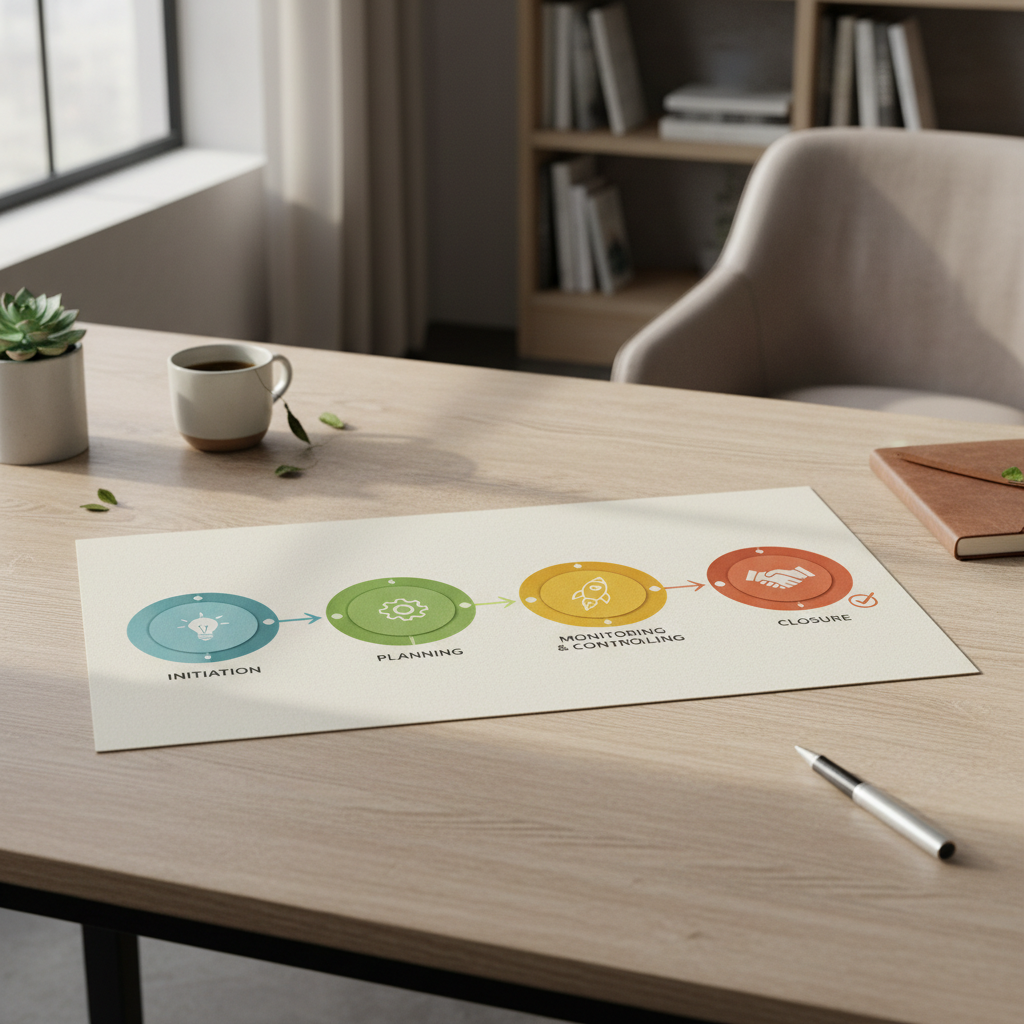
The typical project lifecycle includes five key stages:
1. Initiation: Defining the project’s purpose and securing approval.
2. Planning: Outlining the scope, objectives, tasks, resources, and timeline.
3. Execution: The project team does the work to create the deliverables.
4. Monitoring & Controlling: Tracking progress, managing changes, and ensuring the project stays on course.
5. Closure: Finalizing all activities and formally closing the project.
Everyone from startup founders and marketing teams to software developers and construction managers benefits from mastering the art of managing projects. It’s a universal skill set for a goal-oriented world.
Core Principles for Effective Project Management
Successful projects are built on a foundation of solid principles. Ignoring these can lead to missed deadlines, budget overruns, and frustrated teams.
Setting Clear Objectives and Scope
Before you begin, every stakeholder must agree on what success looks like. Define specific, measurable, achievable, relevant, and time-bound (SMART) goals. A clearly defined scope document is your best defense against “scope creep”—the uncontrolled expansion of project requirements.
Resource Allocation and Budgeting
Identify all necessary resources, including people, equipment, and budget. Allocate them efficiently to ensure your team has what it needs to succeed without wasting funds. Careful financial planning and tracking are critical throughout the project lifecycle.
Risk Identification and Mitigation
What could go wrong? Identify potential risks early in the planning phase. For each risk, assess its likelihood and potential impact, and develop a mitigation plan. Proactive risk management prevents surprises from derailing your project.
Communication Strategies
A clear communication plan is the lifeblood of any project. It dictates who needs what information, when they need it, and how it will be delivered. Regular status updates, team meetings, and transparent reporting keep everyone aligned and engaged.
Key Project Management Methodologies
There is no one-size-fits-all approach to managing projects. The best method depends on your team, industry, and project complexity.
Traditional (Waterfall)
The Waterfall model is a linear, sequential approach where each project phase must be completed before the next begins. It works best for projects with stable, well-defined requirements, such as in construction or manufacturing. Its rigid structure provides control but can be inflexible if changes are needed.
Agile Project Management
Agile is an iterative approach that focuses on flexibility, customer collaboration, and delivering value in small increments. Instead of one big launch at the end, agile projects are broken into “sprints” that produce a potentially shippable product. This allows teams to adapt to change quickly and incorporate feedback throughout the process.
Scrum and Kanban
Scrum and Kanban are the two most popular agile project management frameworks.
Hybrid Approaches
Many organizations combine elements from different methodologies. For example, a team might use a Waterfall approach for initial planning and budgeting but adopt Agile sprints for the development phase. This hybrid model offers both structure and flexibility.
Essential Project Management Tools
Modern project management tools are essential for keeping teams organized, collaborative, and on track. This software helps centralize communication, track progress, and manage resources.
Key features to look for in project management software include:
Popular tools like ClickUp, Notion, and Monday.com offer comprehensive solutions, but others like Asana, Trello, and Jira are also powerful contenders, each with its own strengths. The right tool depends on your team’s size, workflow, and specific needs. For a deeper dive into organizing your work, explore this guide on Task Management: Tools, Techniques & Best Practices for Success.
The Role of AI in Managing Projects
Artificial intelligence is no longer science fiction; it’s a powerful ally in project management. AI in project management is transforming how we plan, execute, and deliver projects. According to the Project Management Institute (PMI), an overwhelming 82% of senior executives believe AI will have a significant impact on their organizations in the coming years.
Here’s how AI is making a difference:
Common Challenges and How to Overcome Them
Even with the best planning, challenges are inevitable. Here are a few common hurdles and how to clear them.
Next Steps: Improving Your Project Management Skills
Managing projects effectively is a skill that grows with experience and continuous learning.
By embracing these principles, methodologies, and tools, you can transform your approach to managing projects and consistently deliver successful outcomes.
Updated